High Protein Vegetarian Indian Diet Plan: 7-Day Complete Guide
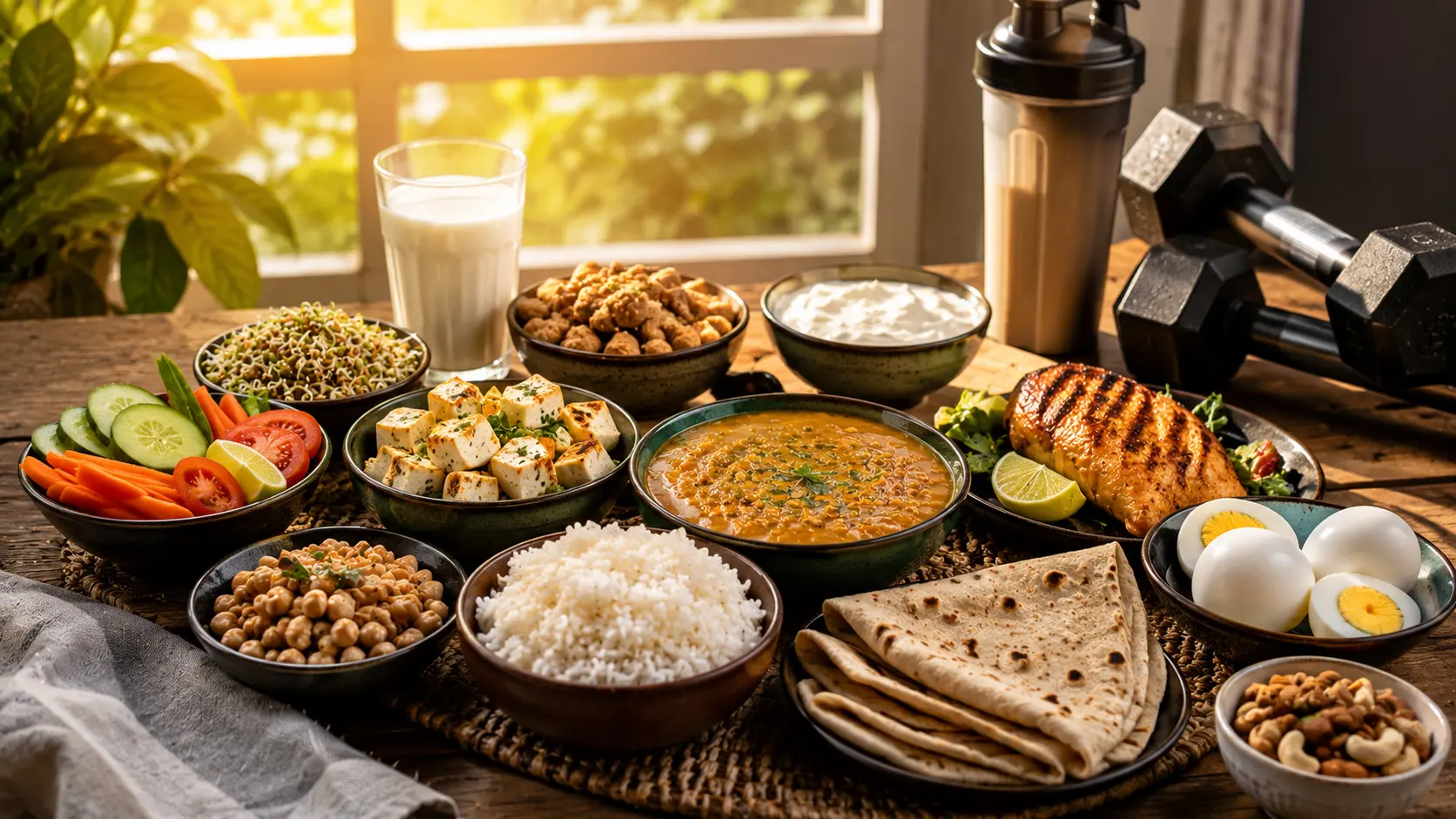
Dal and roti alone will not get you to your protein target. This 7-day vegetarian diet plan hits 120–150g of protein daily using Indian foods — no expensive imports, no chicken required.

Medical Safety Note: This article is for general educational purposes only and is not a substitute for professional medical advice, diagnosis, or treatment. If you are pregnant, managing a condition like diabetes, PCOS, or thyroid disorder, or taking medication, please consult a qualified doctor or registered dietitian before changing your diet, supplements, or exercise routine.
"I'm vegetarian — where will I get enough protein?"
This is one of the most common fitness questions in India. And honestly, most people do not have a good answer — not because vegetarian protein sources do not exist, but because nobody has shown them how to actually use what is already in their kitchen.
The good news: India has enough high-protein vegetarian foods to hit 120–150g of protein daily — without expensive imports, without chicken, and without forcing yourself to eat bland food.
This 7-day plan proves it, meal by meal.
If you want proof this works at the highest level, one of India's most elite athletes has been eating almost entirely this way since 2018.
📖 Read Also:
Virat Kohli's Vegetarian Diet: What He Eats Before & After a Match (2026)How Virat Kohli hits 130g+ of protein daily on a largely vegetarian diet — match-day meals, recovery nutrition, and the same Indian foods used in this 7-day plan.
Step One: Calculate Your Protein Target
← Swipe to compare →
| Goal | Protein Target |
|---|---|
| Weight loss (preserving muscle) | 1.6g per kg of bodyweight |
| Muscle building | 1.8–2.2g per kg of bodyweight |
| General fitness and maintenance | 1.2–1.4g per kg of bodyweight |
Example: 65kg person with a muscle-building goal → 65 × 2 = 130g protein daily
Use our free macro and calorie calculators to find your exact protein target based on your weight, height, and goal.
Best Vegetarian Protein Sources in India
← Swipe to compare →
| Food | Protein per 100g | Notes |
|---|---|---|
| Soya chunks (dry) | 52g | Highest available |
| Whey protein | 24–26g per scoop | Supplement |
| Paneer (low fat) | 22g | Complete protein |
| Eggs | 13g | Best budget option |
| Greek yogurt | 10g | Also contains probiotics |
| Tofu (firm) | 17g | Soy-based |
| Rajma (cooked) | 9g | High fibre too |
| Chana (cooked) | 9g | Slow digesting |
| Moong dal (cooked) | 8g | Easy to digest |
| Peanuts / peanut butter | 25g per 100g | Calorie-dense |
Soya chunks (meal maker) are the vegetarian's secret weapon — 52g protein per 100g dry weight. That is more than chicken breast. And they cost a fraction of the price. See the complete guide to vegetarian protein sources for everything available in India.
📖 Read Also:
Best Protein Foods in India — Complete List with MacrosThe 30 highest-protein foods you can buy in India — ranked by protein per 100g with cost comparison and practical cooking tips.
The 7-Day Plan
Day 1 — Monday (~135g Protein)
Breakfast (7:30 AM)
- 3-egg omelette with vegetables — 19g protein
- 1 cup low-fat milk — 8g protein
- 2 multigrain toasts — 6g protein
Mid-Morning (10:30 AM)
- 1 cup Greek yogurt + 1 tablespoon chia seeds — 12g protein
Lunch (1:00 PM)
- 1 cup soya chunk curry — 25g protein
- 2 whole wheat rotis — 6g protein
- 1 cup mixed dal — 9g protein
- Salad — 2g protein
Pre-Workout Snack (4:00 PM)
- 30g peanut butter + 1 banana — 8g protein
Post-Workout (6:30 PM)
- 1 scoop whey protein in water — 25g protein
Dinner (8:30 PM)
- 150g paneer sabzi — 28g protein
- 1 cup rajma — 9g protein
- 1 roti — 3g protein
Day Total: ~140g Protein
Day 2 — Tuesday (~130g Protein)
Breakfast (7:30 AM)
- Moong dal chilla (3 pieces) — 18g protein
- 1 cup curd — 5g protein
- 1 cup milk — 8g protein
Mid-Morning (10:30 AM)
- Roasted chana + peanuts (small handful) — 10g protein
Lunch (1:00 PM)
- Tofu stir-fry with vegetables — 22g protein
- 2 rotis + 1 cup brown rice — 7g protein
- 1 cup chana dal — 10g protein
Pre-Workout (4:00 PM)
- 1 cup Greek yogurt + berries — 10g protein
Post-Workout (6:30 PM)
- 1 scoop whey — 25g protein
Dinner (8:30 PM)
- Palak paneer (200g paneer) — 35g protein
- 1 multigrain roti — 3g protein
Day Total: ~133g Protein
Day 3 — Wednesday (~145g Protein)
Breakfast (7:30 AM)
- 4-egg bhurji with vegetables — 26g protein
- 1 cup low-fat milk — 8g protein
Mid-Morning (10:30 AM)
- 200g Greek yogurt — 20g protein
Lunch (1:00 PM)
- Soya chunk biryani (1.5 cups) — 30g protein
- 1 cup dal — 9g protein
- Raita — 4g protein
Pre-Workout (4:00 PM)
- 30g whey in milk — 32g protein (whey + milk combined)
Dinner (8:30 PM)
- Rajma chawal (1 cup rajma + 1 cup rice) — 12g protein
- 100g paneer — 18g protein
Day Total: ~142g Protein
Day 4 — Thursday (~125g Protein) — Rest Day
Breakfast (8:00 AM)
- Besan chilla (3 pieces) + green chutney — 18g protein
- 1 cup curd — 5g protein
Mid-Morning (10:30 AM)
- 1 cup milk + a handful of almonds — 12g protein
Lunch (1:00 PM)
- 2 rotis + 1 cup mixed vegetable dal — 14g protein
- 150g paneer sabzi — 27g protein
- Salad — 2g protein
Snack (4:30 PM)
- 1 cup roasted chana — 10g protein
Dinner (8:00 PM)
- Tofu curry (200g) — 26g protein
- 1 cup moong dal soup — 8g protein
- 1 roti — 3g protein
Day Total: ~125g Protein
Day 5 — Friday (~140g Protein)
Breakfast (7:30 AM)
- Protein oats: 1 cup oats + 1 scoop whey + milk — 38g protein
- 2 boiled eggs — 13g protein
Mid-Morning (10:30 AM)
- 1 cup Greek yogurt — 10g protein
Lunch (1:00 PM)
- Chole (1.5 cups) — 16g protein
- 2 rotis — 6g protein
- 1 cup dal — 9g protein
Pre-Workout (4:00 PM)
- 30g peanut butter + apple — 8g protein
Post-Workout (6:30 PM)
- 1 scoop whey — 25g protein
Dinner (8:30 PM)
- Paneer tikka (200g) — 36g protein
- Salad + raita — 5g protein
Day Total: ~136g Protein
Day 6 — Saturday (~150g Protein) — Heavy Training Day
Breakfast (7:30 AM)
- 4-egg omelette — 26g protein
- 1 cup milk + 1 scoop whey — 33g protein
Mid-Morning (10:30 AM)
- 200g Greek yogurt + 1 tablespoon peanut butter — 22g protein
Lunch (1:00 PM)
- Soya chunk curry (1 cup dry, 2 cups cooked) — 35g protein
- 2 rotis + salad — 7g protein
Pre-Workout (4:00 PM)
- Banana + small protein bar — 15g protein
Post-Workout (6:30 PM)
- 1.5 scoops whey — 37g protein
Dinner (8:30 PM)
- Paneer bhurji (150g paneer) — 28g protein
- 1 cup rajma — 9g protein
Day Total: ~152g Protein
Day 7 — Sunday (~120g Protein) — Flexible Day
Breakfast (9:00 AM)
- Masala dosa (2 pieces) + sambar — 12g protein
- 1 cup milk — 8g protein
Lunch (1:30 PM)
- Paneer butter masala (200g) + 2 naan — 36g protein
- Dal makhani (1 cup) — 9g protein
Evening (4:30 PM)
- 1 cup Greek yogurt — 10g protein
Dinner (8:30 PM)
- Mixed dal khichdi (1.5 cups) + curd — 18g protein
- 100g tofu stir-fry — 17g protein
Before Bed
- 1 glass warm milk — 8g protein
Day Total: ~118g Protein
📖 Read Also:
Free Protein & Calorie CalculatorFind your personalized daily protein target based on your weight, activity level, and goal — muscle gain, fat loss, or maintenance.
Weekly Summary
← Swipe to compare →
| Day | Protein | Approximate Calories |
|---|---|---|
| Monday | 140g | 1,900 |
| Tuesday | 133g | 1,800 |
| Wednesday | 142g | 2,000 |
| Thursday | 125g | 1,650 |
| Friday | 136g | 1,900 |
| Saturday | 152g | 2,200 |
| Sunday | 118g | 2,100 |
| Weekly Average | 135g | ~1,950 |
Easy Protein Boosts Without Supplements
1. Double Your Dal Portion
Most people cook half a cup — increase it to a full cup. Easy additional 8–10g protein with no extra effort.
2. Switch Regular Curd for Greek Yogurt
Regular curd: 5g per 100g → Greek yogurt: 10g per 100g. Double the protein, same taste. Read about curd's full role in weight loss and nutrition to understand why this swap matters.
3. Include Soya Chunks Two to Three Times Per Week
One serving delivers 25–30g protein. This single change can transform an average vegetarian diet into a high-protein one.
4. Make Paneer at Home
Market paneer is expensive. 1 litre of milk makes approximately 200g of paneer, delivering 35–36g protein at roughly half the cost.
5. Start the Day With Protein
Replacing a standard roti-sabzi breakfast with high-protein Indian breakfast options like eggs plus Greek yogurt starts the day at 30–40g protein — making the rest of the day's target far easier to hit.
Do not change everything at once. Spend one week tracking your current intake to establish a baseline. Then add 20–30g more protein per day and adjust gradually. Sudden large changes are hard to sustain.
Optional Supplements
These are not required but can help close the gap:
- Whey protein — the most cost-effective protein supplement. Best used at breakfast or post-workout. Lacto-vegetarian friendly.
- Creatine — the most well-researched muscle-building supplement. Especially effective for vegetarians because natural food sources contain very little creatine.
- Vitamin B12 — deficiency is common in vegetarians. Supplement daily.
📖 Read Also:
High-Protein Diet on Ozempic/GLP-1: The India GuideOn a GLP-1 medicine like Ozempic? Protein needs change completely — here's the India-specific high-protein approach to protect your muscle.
📖 Read Also:
Protein Guide India: How Much You Actually NeedWant to understand the numbers behind this plan? The complete protein guide explains how much protein you need, the best sources by cost, and whether you need powder at all.
FAQ
Can you reach 150g protein daily without whey protein?
Yes, but it requires careful planning and will be calorie-dense. Soya chunks, paneer, eggs, and Greek yogurt in combination can get you there. Whey is convenience, not a necessity.
Are eggs considered vegetarian?
Lacto-ovo vegetarians include eggs. If you follow a strict vegetarian diet with no eggs, focus more heavily on soya products, paneer, tofu, and dairy.
Does dal-roti provide enough protein?
Not at typical portion sizes. Two rotis and one cup of dal provide approximately 18–20g protein. Reaching a 150g target through dal and roti alone is impractical — diverse sources are essential.
Is high protein intake safe for kidneys?
Research shows that 2.2g per kg of bodyweight is safe for people with healthy kidneys. Drink adequate water — at least 3–4 litres daily when on a high-protein diet.
How long does it take to see muscle-building results on a vegetarian diet?
No significant difference compared to a non-vegetarian diet when protein targets are met. Expect visible results after 6–12 months of consistent training, adequate protein, and quality sleep.
📖 Read Also:
Indian Diet & Nutrition Complete GuideZoom out beyond protein — the full macro, micronutrient, and meal-timing framework this 7-day plan is built on.
Free Tools to Help You
Put this article into action — use our free calculators to get your personalized numbers.
Was this article helpful?
Want More Tips Like This?
Join 1,000+ readers getting weekly fitness, diet, and wellness tips + FREE meal plan
No spam, ever. Unsubscribe anytime.

About the Author: Ashwani
Fitness influencer and wellness writer helping Indians build healthier lifestyles.
Read more about us →Comments
Leave a Comment
Your email will not be published. Comments are reviewed before appearing.
You Might Also Like
Continue your wellness journey

24 min read
Muscle Gain Diet Plan for Indian Men (2026): Meal Plans & Grocery List
The exact muscle gain diet plan for Indian men — calorie targets, protein requirements, 7-day veg and non-veg meal plans, and a weekly grocery list. No expensive imports, no Western meal plans.
30 min read
How to Build Muscle on an Indian Diet: The Complete 2026 Guide
Most Indians eat only 40–50g of protein daily when muscle building needs 100–140g. This complete guide covers exact protein targets, Indian food sources for vegetarians and non-vegetarians, a 7-day muscle gain meal plan, beginner supplement stack with real prices, and a 4-day workout structure.

12 min read
Body Recomposition: How to Lose Fat and Gain Muscle at the Same Time
Everyone says you cannot lose fat and gain muscle simultaneously. That is not entirely true. Body recomposition is real, achievable, and especially effective for certain groups. Here is exactly how it works and how to do it.