Fat Loss vs Weight Loss: The Real Difference (Stop Confusing Them!)
Most people try to lose weight without realizing that fat loss is what truly matters. Learn the difference, how to measure progress, and correct approach for real results.

Introduction
Many people start their fitness journey thinking, "I want to lose weight." But what they really mean is — "I want to lose fat, get slimmer, and look fitter."
There's a huge difference between losing weight and losing fat, yet almost everyone treats them as the same. That's why people celebrate when the scale drops, but feel frustrated when their body doesn't look toned, energy drops, or weight bounces back.
📖 Read Also:
Indian Diet Plan for Weight Loss: The Complete 2026 GuideOnce you understand the difference, see the complete diet plan that's actually built around losing fat — not just weight.
📖 Read Also:
Free Body Fat CalculatorThe scale can't tell fat loss from muscle loss — this estimate can. Use it alongside your weight to track what's actually changing.
This guide is written to help you clearly understand:
-
✔ What is weight loss vs fat loss
-
✔ Why scale weight lies
-
✔ How to track real progress
-
✔ Best workout and diet approach for fat loss
-
✔ Mistakes Indians commonly make
After reading this, you'll think differently about fitness.
What is Weight Loss?
Weight loss means your overall body weight reduces. This includes:
-
Fat
-
Muscle
-
Water
-
Glycogen (stored carbs)
-
Sometimes bone density too
When you eat less, reduce salt/sugar, or sweat heavily — weight drops quickly. But this doesn't always mean fat is gone.
Example:
You skip dinner → next morning scale shows -1 kg
Reality: Mostly water + stomach content, not fat loss.
What is Fat Loss?
Fat loss means reduction in body fat percentage. This is what gives you:
-
✔ Leaner look
-
✔ Visible progress
-
✔ Better shape & muscle tone
-
✔ Healthy metabolism
Fat loss is slower but meaningful.
A 60 kg person losing 3% body fat becomes visibly fitter than someone who just loses 3 kg from dehydration or crash diet.
Why Most People Chase Weight Loss (Wrong Goal)
Because weight is easy to measure. Stand on scale → see number → feel progress.
But scale never shows:
-
❌ How much fat you lost
-
❌ How much muscle you gained
-
❌ Whether body composition improved
A better goal is:
👉 Lose fat and maintain/build muscle.
Why Fat Loss is Better than Weight Loss
← Swipe to compare →
| Weight Loss | Fat Loss |
|---|---|
| Quick changes | Slow but healthy |
| Often temporary | Long lasting |
| Can lose muscle | Retains muscle |
| Reduces metabolism | Boosts metabolism |
| Loose skin possible | Toned body look |
You can weigh same but look much better if fat % reduces.
Example Scenario
Two people lose 5 kg:
Person A
-
Lost water + muscle
-
Feels weak & dull
-
No visible body change
-
Weight may bounce back
Person B
-
Lost mostly fat, kept muscle
-
Feels strong & energetic
-
Visibly leaner and more toned
-
Weight stays off long-term
Which one do you want to be? Obviously B — fat loss > weight loss.
Why Scale Weight is Misleading
Many things change weight temporarily:
Water retention
Sodium intake
Menstrual cycle
Stress hormones
Sleep quality
Carb intake
"So don't panic if weight fluctuates daily — it's normal. Judge progress weekly, not daily."
How to Track Fat Loss Properly
Instead of only the scale — use multiple trackers:
1. Tape Measurements
Track weekly: Waist, Hips, Chest, Thighs, Arm
Fat loss → inches drop.
2. Progress Photos
Same lighting + posture every week.
Visual changes > numbers.
3. How Clothes Fit
Jeans looser? T-shirt shoulders better?
= Real progress.
4. Energy Levels
Fat loss improves stamina & mood.
5. Body Composition Scale (Optional)
If accessible — helpful, not mandatory.
Best Strategy for Fat Loss (Scientifically Correct)
Fat loss = Calorie deficit + High protein + Strength training
1. Eat Slight Calorie Deficit
Not starving — just balanced. Eat clean food, not less food.
2. Increase Protein Intake
Vegetarian protein examples:
-
Paneer
-
Dal/Chana/Rajma
-
Peanut/Sprouts
-
Curd + Chia
-
Soya chunks
Protein prevents muscle loss.
3. Strength Training 3–4x Weekly
Bodyweight exercises work too. Why?
Muscle burns more calories even at rest — More muscle = faster fat burn.
4. Walk Daily (underrated)
8k–10k steps target.
Walking is fat loss gold.
5. Manage Sleep & Stress
Poor sleep increases hunger hormones → cravings rise.
Aim 7–8 hrs.
Fat Loss Diet Example (Indian Friendly)
← Swipe to compare →
| Meal | Example Plate |
|---|---|
| Breakfast | Moong dal chilla + curd |
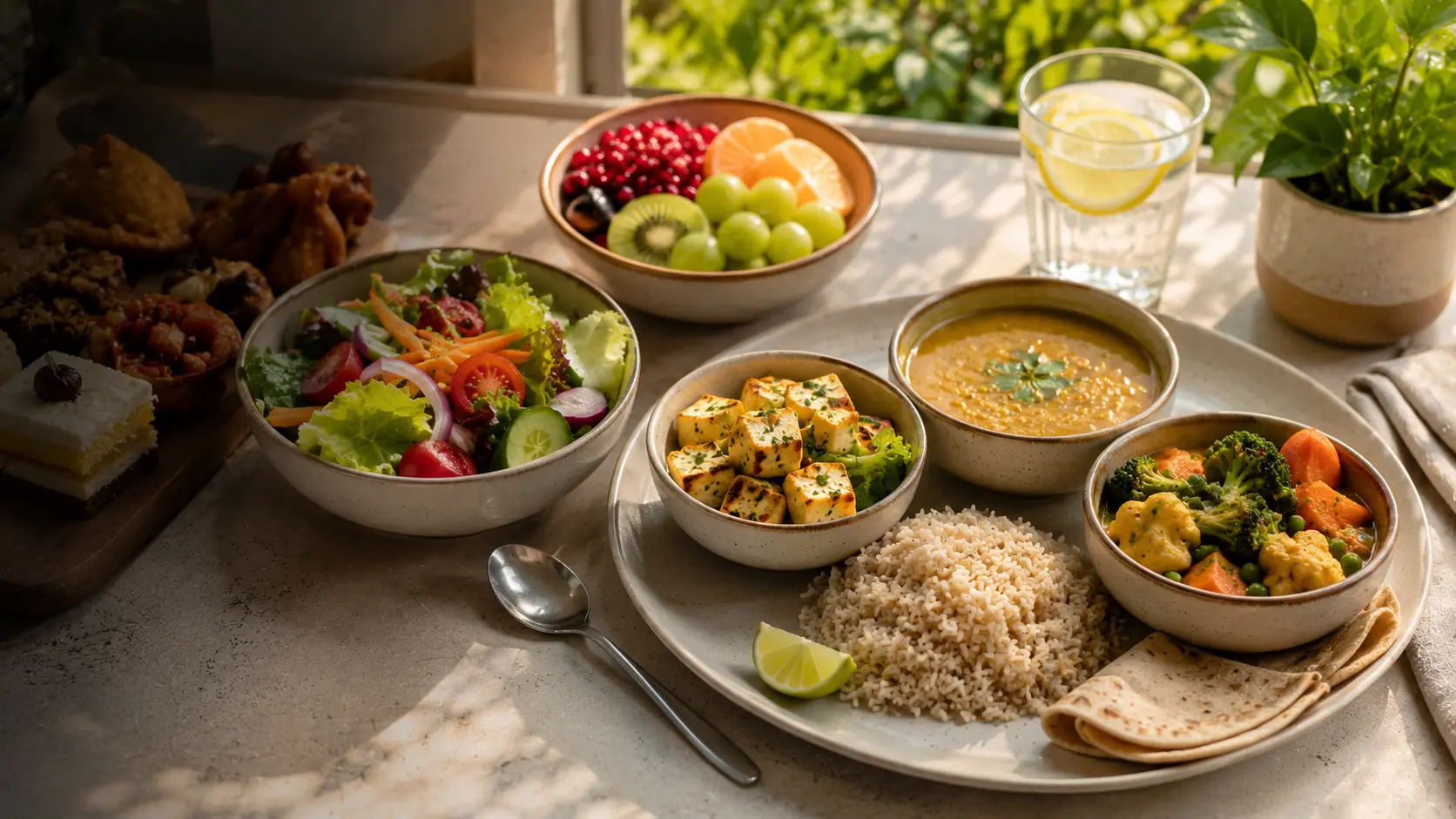
| Lunch | Dal + roti + paneer sabzi + salad |
| Snack | Peanut + fruit / Yogurt bowl |
| Dinner | Roti + soya curry / Veg soup + paneer |
No fancy foods — just balance.
Mistakes People Make in Fat Loss
-
❌ Starving to lose weight faster
-
❌ Skipping meals and slowing metabolism
-
❌ Doing only cardio, no strength training
-
❌ Low protein diet
-
❌ Expecting results in one week
Fat loss is gradual — 4–8 weeks visible change.
Conclusion
Weight loss only means a number going down. Fat loss means your body becomes healthier, leaner, stronger, and better shaped. Stop chasing the scale — start chasing body composition improvement. Focus on protein, strength training, steps, and consistent habits.
You don't need to eat less — just eat right. You don't need hours in gym — just start small and grow.
In 4–6 weeks, your body will thank you.
📖 You Might Also Like:
Frequently Asked Questions
What is the difference between fat loss and weight loss?
Weight loss refers to a decrease in total body weight including fat, muscle, water, and glycogen. Fat loss specifically means reducing body fat percentage while preserving muscle mass. Fat loss is always the goal — weight loss without tracking body composition can mean losing muscle, which is counterproductive.
How do I know if I am losing fat or muscle?
Signs you are losing muscle: strength decreasing significantly, losing weight very fast (more than 1 kg/week), eating too little protein, and not doing any resistance training. Signs of healthy fat loss: strength maintained or improving, moderate scale drop (0.3–0.5 kg/week), and clothes fitting looser in the right places.
Is the weighing scale the best way to track progress?
No — the scale shows total body weight which fluctuates daily due to water retention, hormones, and food volume. Better tracking methods include monthly progress photos, body measurements (waist, hips, chest), how clothes fit, and performance markers like push-up count and plank duration.
Can I lose fat without losing weight?
Yes — this is called body recomposition and happens when you lose fat and gain muscle simultaneously. The scale may not move or may even go up slightly while your body looks noticeably leaner and more toned. This is most common in beginners and those returning to training after a break.
What is the fastest healthy rate of fat loss?
A sustainable fat loss rate is 0.5–1% of body weight per week. For a 70 kg Indian adult, that is 350–700g per week. Going faster than this typically means losing muscle alongside fat, which leads to a slower metabolism and a harder time maintaining the loss long-term.
Related Reading
Free Tools to Help You
Put this article into action — use our free calculators to get your personalized numbers.
Was this article helpful?
Want More Tips Like This?
Join 1,000+ readers getting weekly fitness, diet, and wellness tips + FREE meal plan
No spam, ever. Unsubscribe anytime.

About the Author: Ashwani
Fitness influencer and wellness writer helping Indians build healthier lifestyles.
Read more about us →Comments
Leave a Comment
Your email will not be published. Comments are reviewed before appearing.
You Might Also Like
Continue your wellness journey

14 min read
Indian Festive Eating: Enjoy Diwali & Navratri Without Weight Gain
Diwali sweets, Navratri fasting, Holi bhaang, Eid biryani — Indian festivals are built around food. Most people gain 2–4 kg every festive season and spend months trying to undo it. This guide shows you how to genuinely enjoy every festival without the guilt or the weight gain.

24 min read
1200 Calorie Indian Diet Plan (2026): 7-Day Veg & Non-Veg Meal Plan for Weight Loss
Complete 1200 calorie Indian diet plan for weight loss — non-veg and veg breakfast options with exact calories, 7-day meal plans, Indian food calorie chart, and safe diet guidelines.
33 min read
Indian Diet Plan for Weight Loss: The Complete 2026 Guide
Most Indians gain weight not from indulgence but from not knowing their portions. This complete Indian diet plan covers calorie targets, 7-day meal charts, 1200 and 1500 calorie plans, vegetarian options, and the 10 mistakes keeping you stuck — updated June 2026.